

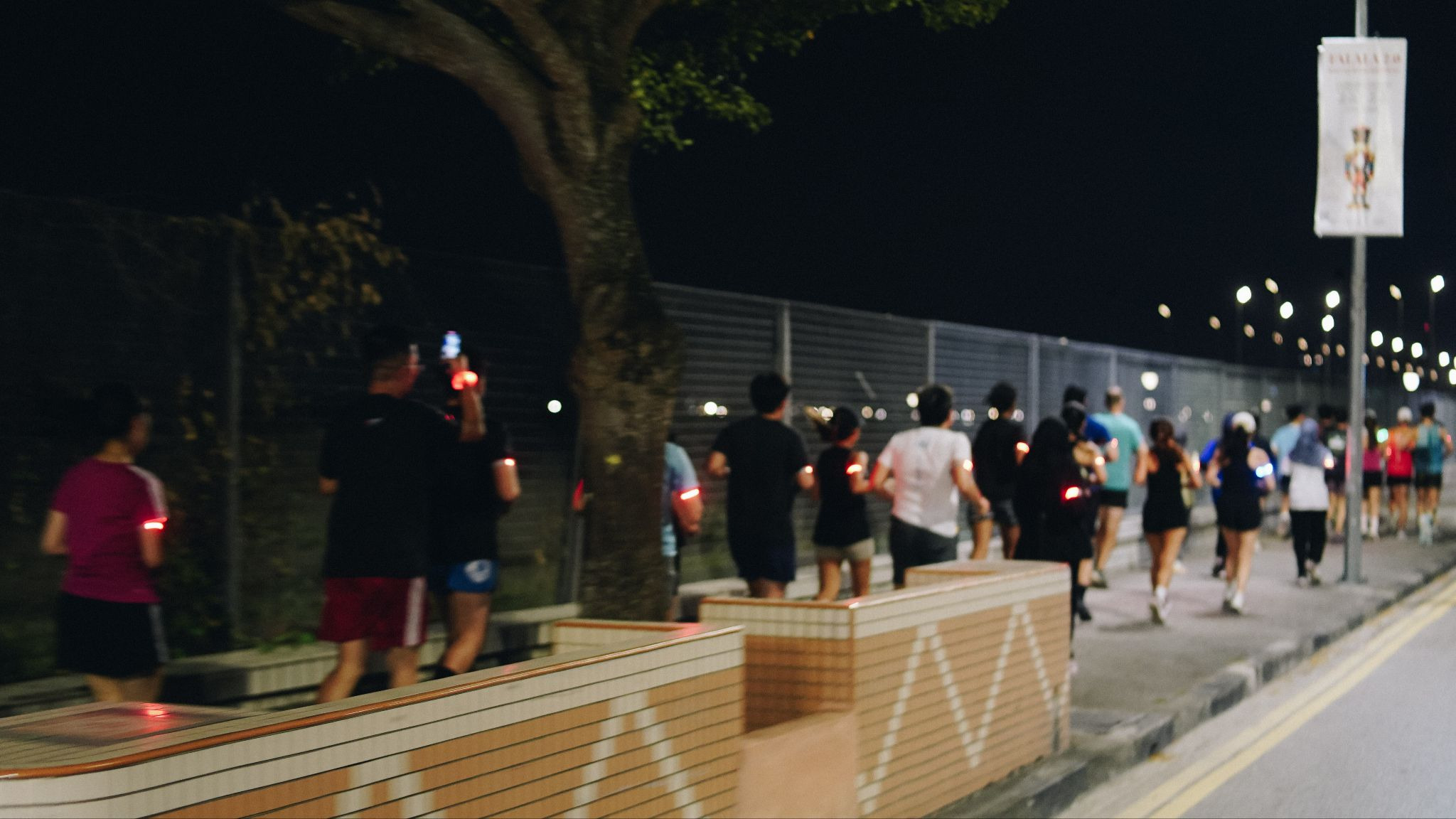
If the first kilometre of every run feels like a battle, you’re not alone. Even experienced runners say the early part of a run is the toughest. It takes your body a while to get into a rhythm, while your breathing is heavy and your legs are stiff. The good news? It's normal for the body to wake up and adjust to movement.
If you understand why this happens and how to ease into it, your runs will feel smoother, more enjoyable, and less intimidating.
Why the First 1KM Feels So Hard

1. Your body hasn’t switched into “running mode” yet
When you start running, your body goes from resting to working very quickly. Your heart, lungs, and muscles need a minute or two to increase oxygen flow and warm up. Until that happens, everything feels harder than it should.
2. Your muscles are still tight
Your muscles can get stiff from sitting, driving, or even sleeping all night. When your muscles are cold or tight, it makes moving around feel heavier and less natural. This is why the start of a run often feels unnatural.
3. Your breathing is still adjusting
Your breathing rate needs time to catch up to your speed. You might feel a little out of breath, even at a slow pace, until it settles down. This happens to the majority of runners.
4. You’re mentally easing into it
The first 1KM is where your mind begins negotiating with your body. You’re still deciding whether the run feels “good” or “hard,” and any small discomfort feels bigger during this early stage.
5. You may be starting too fast
Most runners unintentionally speed up in the first few minutes, especially if they feel fresh. A quick start raises your heart rate right away, which makes the run feel harder than it needs to be.
How to Warm Up Smarter (So the First KM Feels Easier)

A good warm-up doesn’t need to be long or complicated. The goal is simply to wake up your muscles, loosen your joints, and ease your body into motion.
1. Start with 3–5 minutes of brisk walking
This gradually increases your heart rate without overwhelming your body. It’s especially helpful in Malaysia’s warm, humid weather.
2. Add light mobility movements
Focus on areas that feel stiff at the start of a run:
– ankle circles
– hip opening movements
– gentle leg swings
These improve your range of motion and help prevent that “heavy legs” feeling.
3. Begin your run slower than your usual pace
Consider the first 500 meters to be an extension of your warm-up. Start at a comfortable pace, and then speed up as your breathing gets better.
4. Use relaxed breathing
Take steady, controlled breaths. Avoid shallow chest breathing — aim for deeper breaths that help your body find a rhythm.
5. Take time to settle in
Wait at least 5 to 10 minutes before deciding how your run feels. When your heart rate, muscles, and breathing are all in sync, the run gets easier.
When the First KM Gets Easier, Running Gets More Enjoyable

The beginning of the run might feel tough, but it doesn’t stay that way. Everything feels better once your body warms up and gets into a rhythm. Don't push it. Take your time, breathe steadily, and let your body catch up.
As time goes on, you'll see that the "tough first kilometre" becomes just another regular part of running, not something that gets in your way.
Ready to make your runs feel smoother from the very first kilometre? Explore Sprint MY’s collection of breathable, lightweight running shoes Malaysia that support every stride — from warm-up to finish line.